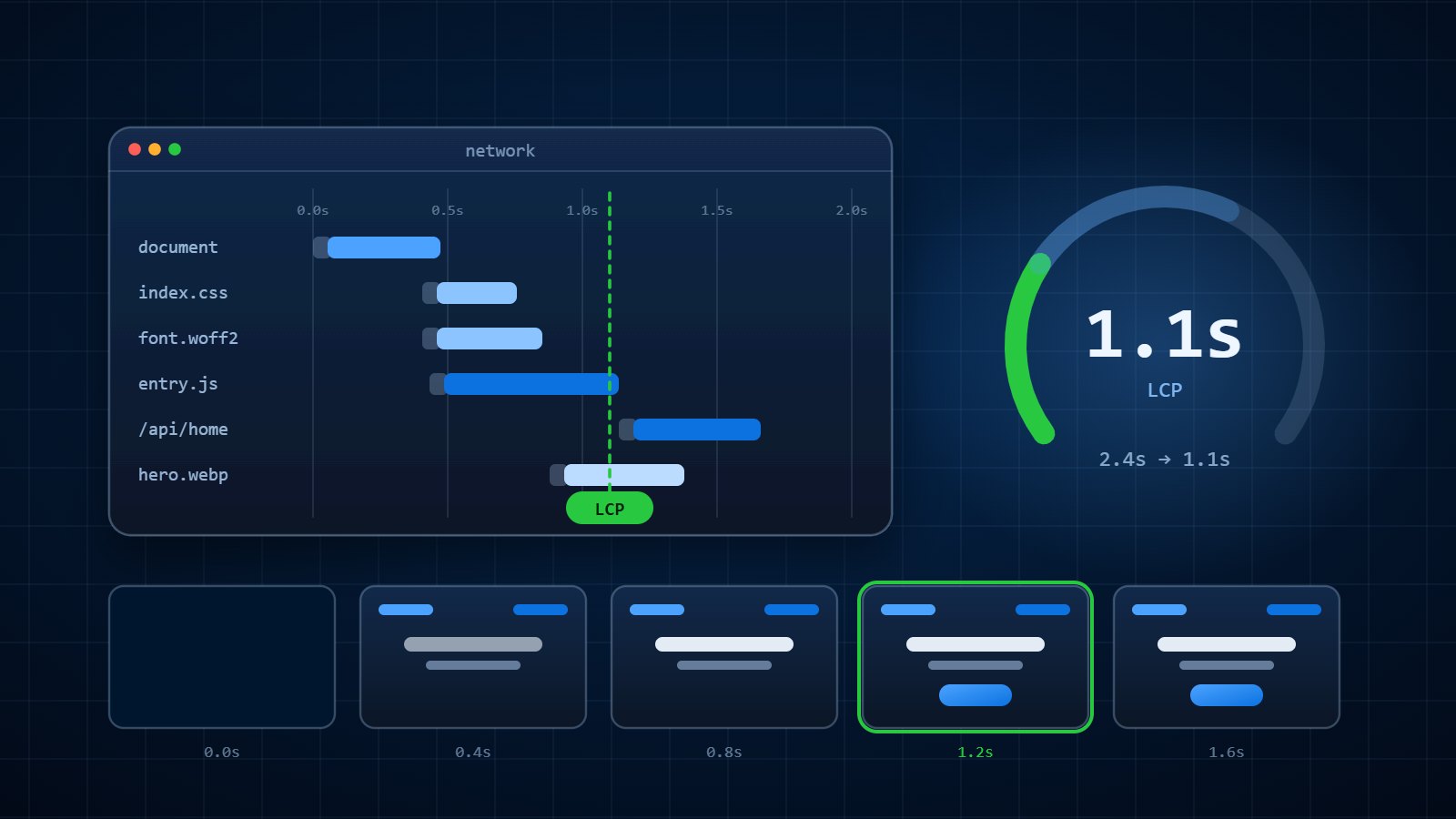
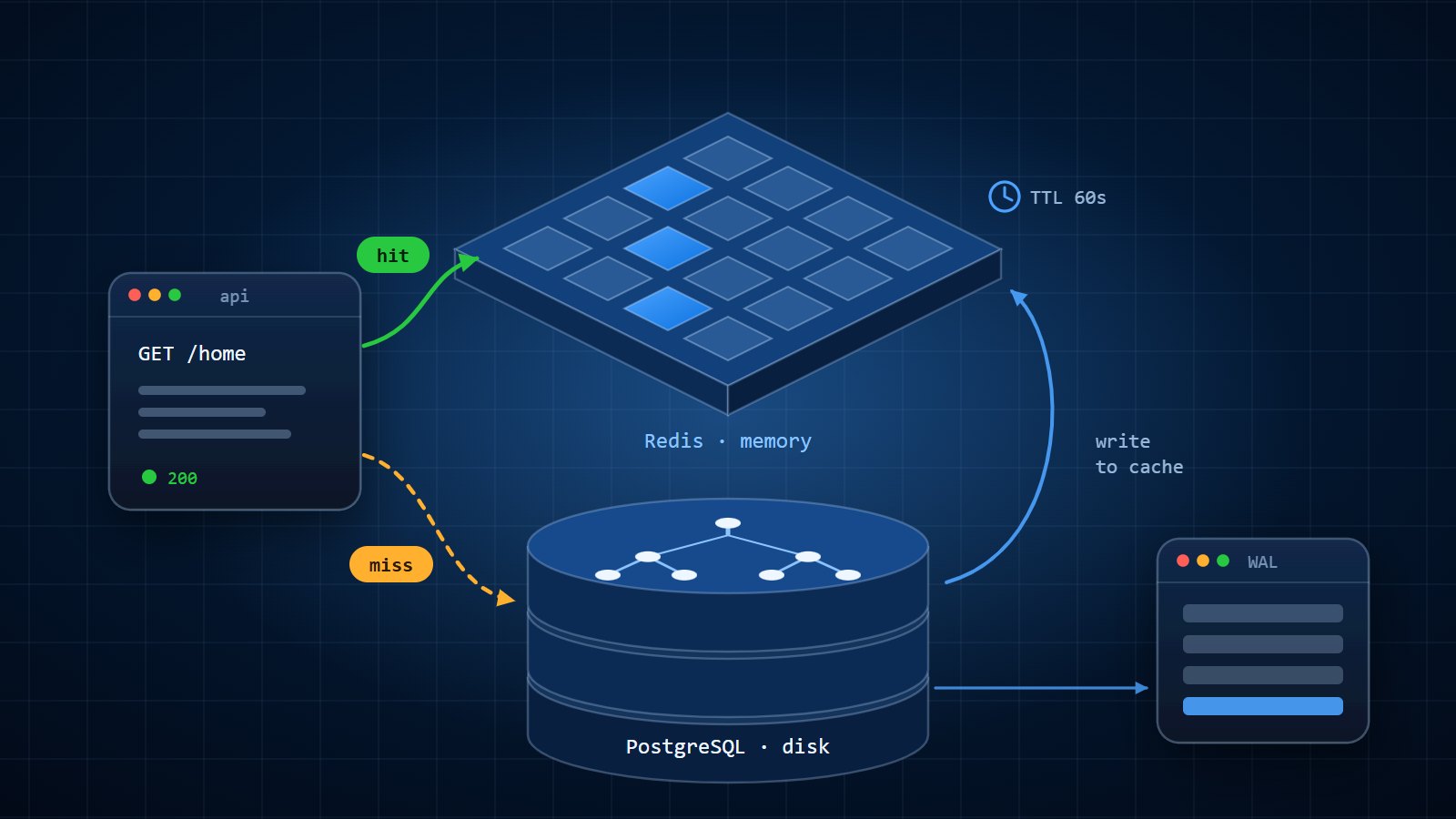
One command to run it, one pipeline to test it, one tag to roll back to. The setup behind this website, and what we left out on purpose.
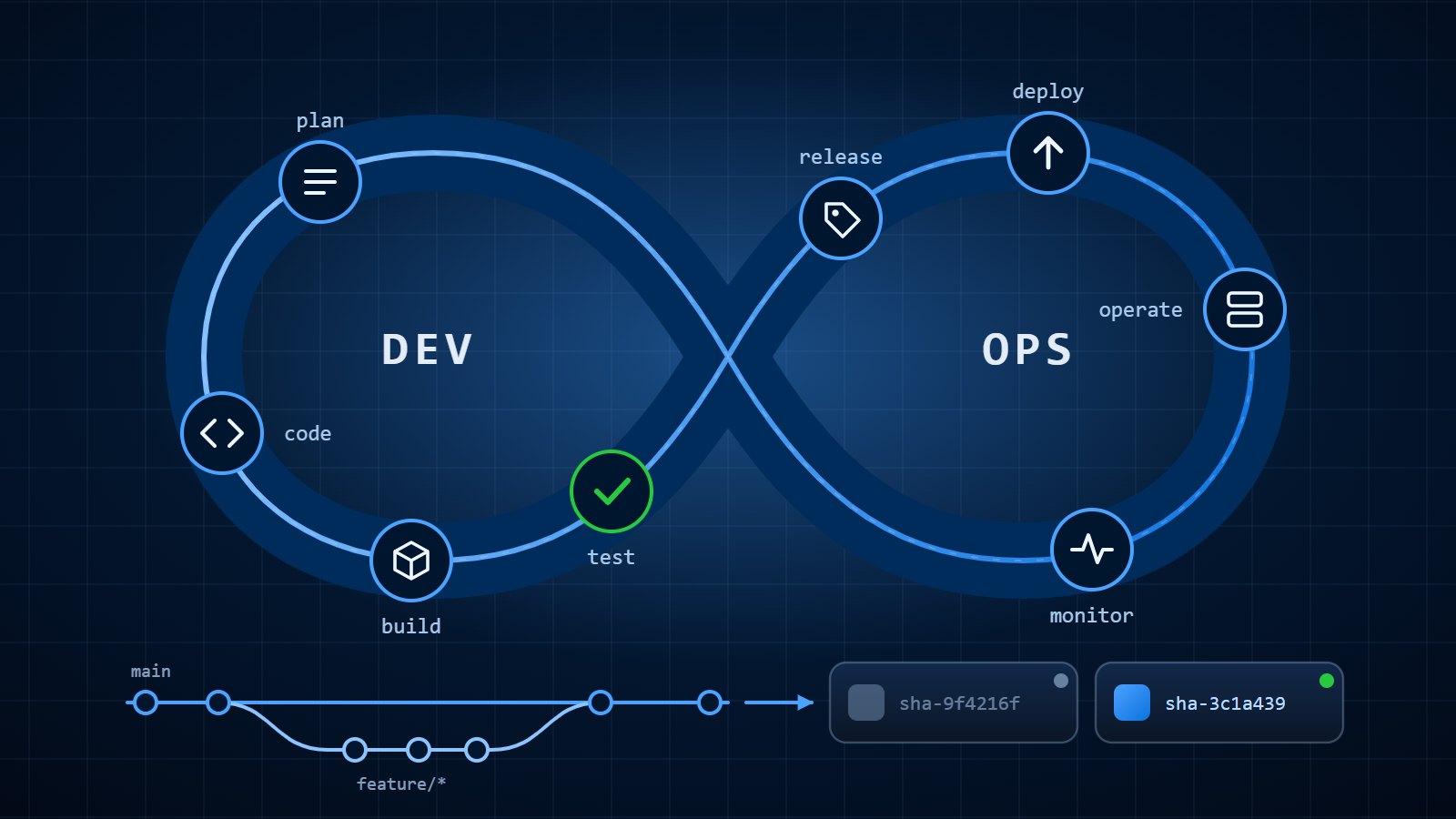
Small teams often plan to do DevOps later, when they are bigger. A few habits are worth the most at the beginning, when nobody has time to fix a broken release. This is the setup behind this website. It runs on one server.
One command to run everything
A new developer should not need a wiki page to start the product. Ours is one compose file with the database, the cache, the API, the worker and the web server:
bashcp .env.example .env
docker compose up -d --build
The test pipeline uses the same file, so the thing we test is the thing we run.
Test every pull request the same way
Each pull request runs the unit tests and a production build. Then it starts the whole stack and asks it simple questions with curl:
- Does the health address answer?
- Does an unknown page really return 404?
- Can a visitor sign up and sign in?
These smoke tests are short, and they find what unit tests cannot: a wrong address, a missing environment value, a migration that fails.
Build once, name it, keep the old one
Every release is a set of images tagged with the commit they were built from. The server starts that tag. Going back means starting the previous tag:
bashIMAGE_TAG=sha-1a2b3c4 docker compose up -d --no-buildThere is nothing to rebuild while the site is down.
Migrations are code
Each change to the database is a numbered SQL file that runs once, in a transaction, when the API starts. Two rules help:
- Make a backup before a release that changes data.
- Prefer adding over renaming or removing, so the previous version still runs if you go back.
Know when something breaks
Three signals were enough for us to begin with:
- a health address that checks the database and the cache,
- logs we can search,
- a check from outside that opens an issue when a site stops answering.
A check that runs on the same server cannot tell you that the server is down.
Watch the bill of the pipeline
Hosted runners are often billed by the minute, and each job is rounded up. Four jobs of five seconds can cost four minutes. Join small jobs, do not run the same tests twice for the same code, and look at the usage page before the month ends. We learned this one the direct way: our free minutes ran out on a release day.
What we left out
There is no cluster, no service mesh and no separate staging server. Each of them solves a real problem that we do not have yet. Add one when you can name the incident it would have prevented.