People trust a feature that is predictable and easy to correct. Six interface decisions that matter more than a clever prompt.
People do not trust an AI feature because it is smart. They trust it when they know what it will do and can correct it when it is wrong. Most of that is interface design, not prompt writing.
Show where the answer came from
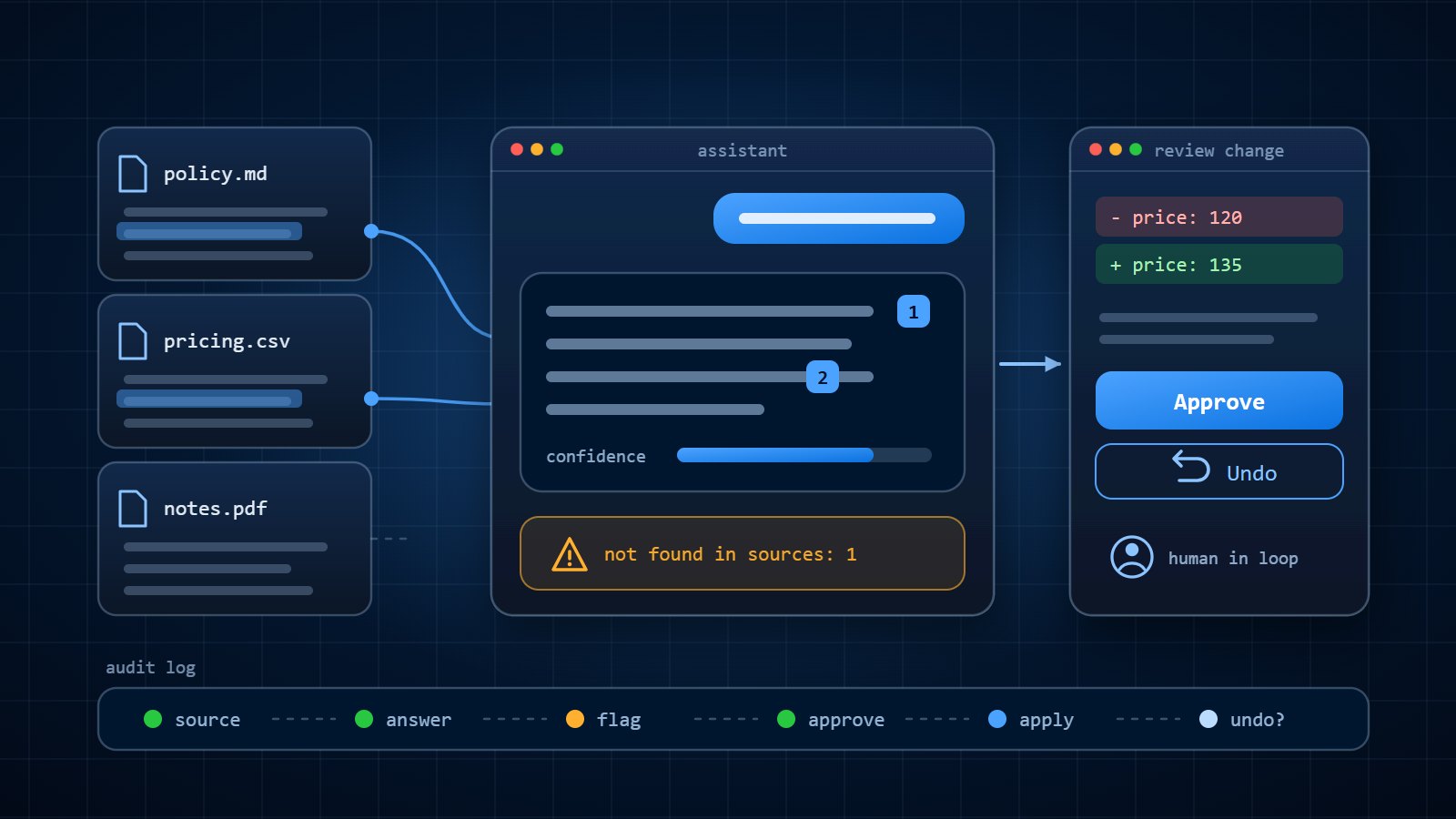
If the answer uses documents, link to the exact part. People check the first few answers, see that the links hold, and then rely on it. If there is no source, say so instead of showing a link that only looks related.
Say "I do not know"
A confident wrong answer costs more than an honest gap. Give the feature a clear way out:
- "I could not find this in your files."
- "I found two different dates. Which one is right?"
Test this on purpose. Ask questions that have no answer in the data and count how often the feature admits it.
Preview before change
Reading and writing are different risks. When the feature changes something, show what will change first:
- what is affected,
- the old and the new value,
- one button to apply and one to leave it.
Keep an undo after that. Use a confirmation for what cannot be undone, such as sending, paying or deleting.
Let people stop and correct
A long answer needs a stop button. A nearly right answer needs an edit box, not only "try again". Corrections are also the best examples for your test set, if the user agreed to share them.
Be clear about the data
Tell people in one place and in plain words:
- what is sent, and to which provider,
- what is stored, and for how long,
- whether it is used for training,
- how to delete it.
If the answer changes, tell them before it changes.
Do not pretend to be a person
Say that the answer was written by a model, and give a way to reach a person when the question matters. Users accept the limits of a tool much more easily than they forgive a surprise.
Check it like any other feature
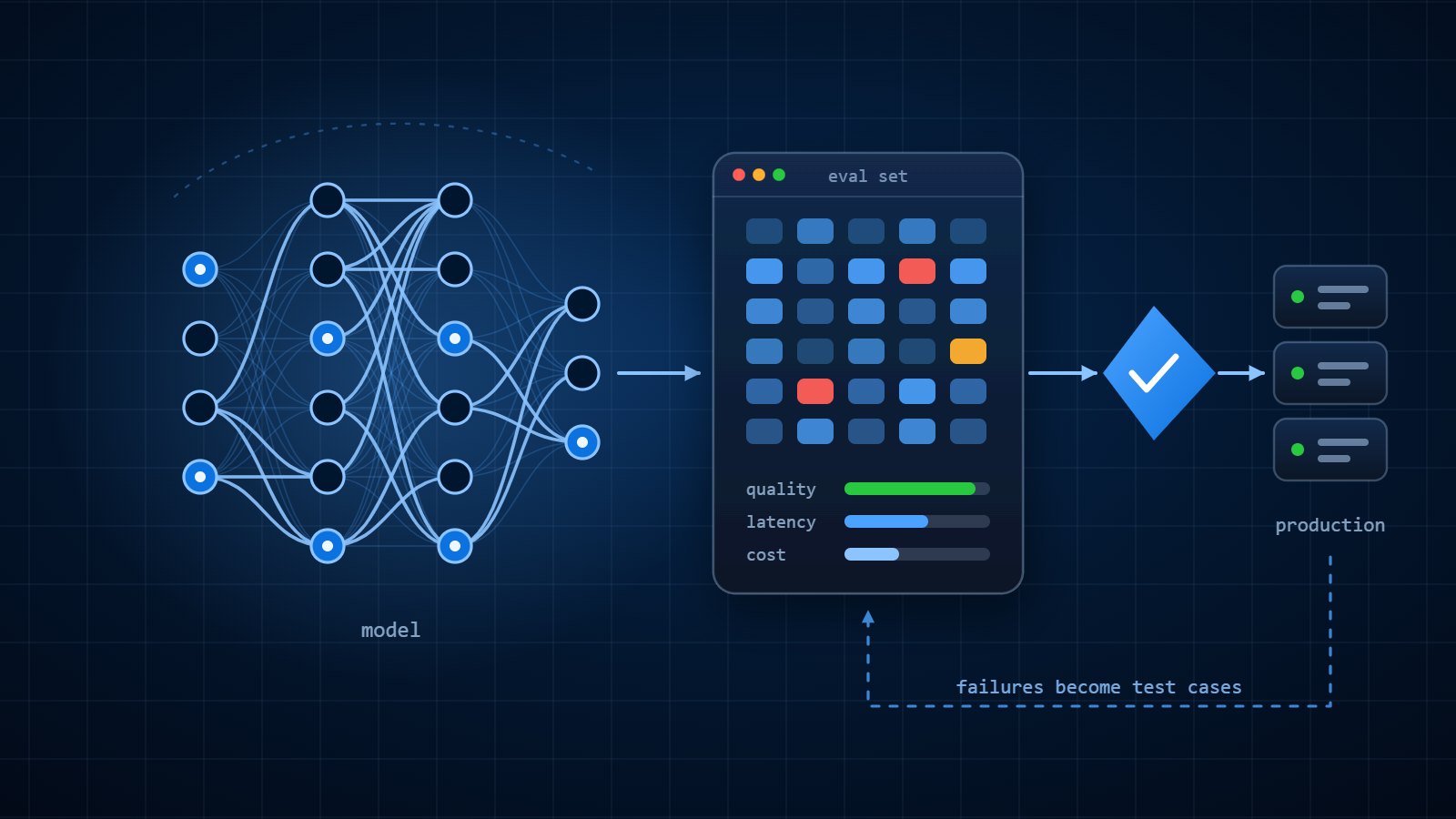
Automatic tests catch a broken button. For an AI feature, add a small set of questions with known good answers, questions it should refuse, and text that tries to change its instructions. Run the set before each release. We describe that in from AI prototype to production.
In short
Sources, honest limits, preview, undo, clear data rules and a person to reach. A modest model with these six is often more useful than a stronger model without them.